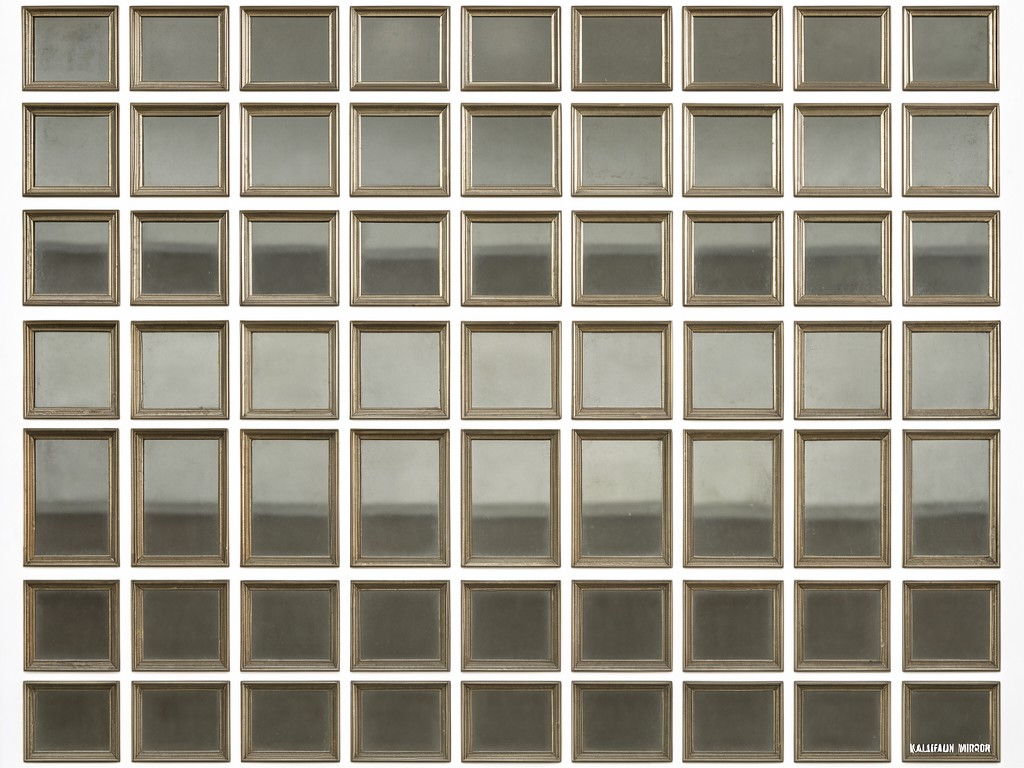
Direct Factory antique mirror squares for wall Top Supplier: Specification, Ordering and Quality Notes
How It Performs in Use
| Inspection point | Factory check | Buyer acceptance basis |
|---|---|---|
| Dimensions and squareness | Measure each batch against the approved drawing; check corner alignment and edge condition. | Drawing tolerances and sample-approved fit for the intended wall layout. |
| Antique pattern and reflectivity | Review tiles under consistent lighting for distress distribution, reflective area, and visible defects. | Signed reference sample and agreed limits for pattern variation. |
| Backing and edges | Inspect coating coverage, exposed glass edges, chips, and backing adhesion on sampled pieces. | Agreed edge finish and no visible backing damage at the inspection point. |
| Packing condition | Check separators, carton arrangement, and protection against face-to-face abrasion. | Approved export pack configuration with no glass-to-glass contact. |
Unit price settles the question only after the buyer confirms what the quotation includes: glass thickness, tile size, edge finish, antique pattern, backing, and export packing. A mismatch in any one of these can show up as difficult installation, visible shade changes across a wall, or breakage and claims after transit.
Antique mirror squares combine a reflective mirror layer with a deliberately distressed appearance. Their service conditions are primarily indoor wall use, not direct water exposure or repeated chemical cleaning. In dressing rooms, retail interiors, and hospitality spaces, cleaning abrasion and moisture near tile edges are common sources of early complaints. Approve a physical sample under the intended room lighting; photographs do not show the same reflection, color cast, or pattern density.
Installation conditions matter: standing water or persistent condensation can attack vulnerable edges and backing. Specify the wall substrate, adhesive system, and room exposure before production so the tile construction and installation guidance match the application.
Materials and Construction Trade-offs
Two suppliers quoting the same specification may use different mirror substrates, distressing methods, and protective backing systems. Those choices affect the landed cost, the amount of usable reflection, and how well the rear coating resists damage during handling. The table describes options to confirm on a production sample; exact availability depends on the requested size and finish.
| Construction choice | Buyer trade-off | Points to approve |
|---|---|---|
| Silvered mirror glass with a distressed effect and protective backing paint | Offers a traditional mirror appearance; pattern and reflective area depend on the distressing recipe and process control. | Color cast, distress density, coating coverage, and sample-to-batch appearance. |
| Alternative mirror coating or backing configuration, where offered | May change the visual tone, cost, and resistance of the rear surface to handling or installation materials. | Written confirmation of coating compatibility, appearance, and approved cleaning limits. |
| Ground or polished tile edges | A refined edge finish can add processing cost; the selected edge affects handling and the appearance of grout joints. | Edge profile, corner finish, and permitted chip or scratch limits. |
More pronounced distress can reduce the continuous reflective area and make adjacent tiles look less uniform. A lighter effect gives a cleaner reflection but may not meet a vintage design brief. Select the appearance from a signed sample rather than relying on a finish name alone.
Matching the Product to the Buyer's Need
Before comparing quotations, set the installation environment and acceptable visual variation. A private-label importer supplying residential projects may prioritize consistent square dimensions and an easy-to-repeat pattern. A hospitality buyer may need a more protective pack because replacement pieces must match the installed wall months later.
Dry Interior Walls
For retail feature walls, bedrooms, and reception areas with routine dusting, prioritize a repeatable distress pattern, clean tile edges, and a backing that suits the specified adhesive. Approve the visual effect under the room's lighting before locking the order.
Humid or Frequently Cleaned Interiors
For changing rooms or busy commercial spaces, first assess ventilation, splash exposure, and cleaning products. Mirror squares are not a substitute for a wet-area system; specify edge protection and installation details, and keep the tiles clear of direct spray and standing moisture.
Larger squares can reduce the number of joints but raise the consequence of a break during transport or installation. Smaller pieces simplify replacement and layout around obstacles, at the cost of more joints and installation labor. Confirm dimensions, thickness, and carton quantities together so the quotation reflects the complete wall plan.
What Can Be Customised and What Cannot
Buyers can usually request square dimensions, glass thickness, edge finish, antique effect, backing configuration, and retail packaging. Custom sizes or a new distress pattern may require process trials and a separate sample approval. The factory should confirm the workable size range and any minimum run before the buyer publishes a catalogue specification.
- Lock one reference sample for color cast, pattern distribution, and edge appearance; verbal finish descriptions are not precise enough for repeat orders.
- Set dimensional tolerances and permitted visual variation on the drawing or purchase specification.
- Treat backing and adhesive compatibility as a system decision. A mirror finish alone does not establish suitability for a particular wall material or wet location.
- Do not expect every tile to have an identical distress pattern; the target is controlled variation within the approved sample range.
OEM and ODM Programme Structure
An OEM order follows the buyer's drawing, finish sample, packaging artwork, and acceptance criteria. ODM work begins with a target appearance and application brief; the factory proposes a manufacturable size, backing, edge treatment, and pack format for approval. Either route needs a signed sample and a controlled revision record before bulk production.
Retail cartons can carry private-label graphics, handling marks, product identification, and installation information supplied by the buyer. Keep the carton claim aligned with the approved construction and care instructions. A new label, color, or pattern revision should be documented separately so later replenishment does not default to an outdated version.
How Consistency Is Held Across Batches
Batch consistency depends on controlling the glass dimensions, mirror coating and backing sequence, distressing process, and final selection criteria. The retained reference sample gives inspectors a visual target; the production record identifies the approved specification and any agreed change. Without those controls, a reorder can differ in reflected tone or pattern density even when the carton label stays the same.
For warranty control, agree which defects justify rejection before the production run: for example, chips at visible edges, coating damage, incorrect dimensions, or a distress pattern outside the approved range. Ask for batch identification on cartons and keep the inspection record with the sample approval. This gives the importer a traceable reference if damage or a mismatch appears after delivery.
Care, Storage and Service Life
Clean the face with a soft, non-abrasive cloth and a cleaner approved for the specified mirror construction. Do not flood the tile edges, leave liquid on the backing, or use abrasive pads. Strong chemicals, including chlorine-based cleaners, can damage vulnerable coatings or edges; test any proposed cleaning product on an inconspicuous sample first.
Direct sunlight can alter the appearance of surrounding finishes and may affect backing materials over time, while persistent humidity raises the risk of edge deterioration. Keep cartons dry and upright as marked, with separators intact and no load that can flex or crush the glass. Avoid prolonged warehouse exposure to heat, moisture, or abrasive dust.
Discuss the intended wall, finish target, and export pack before placing a repeat order. For a project review, send the drawing, target quantity, and reference photos; the factory can confirm which details need a physical sample or written approval.