bespoke antique vintage wall mounted mirror china supplier: Specification, Ordering and Quality Notes
Unit price settles the question only after the frame finish, mirror condition and mounting hardware stay consistent across the batch. A lower quote can cost more if finish variation drives retail rejections or if a loose backing leads to damage claims. Compare samples against a written specification, then price the inspection and packing controls needed to reproduce them.
The Problem Buyers Keep Paying For
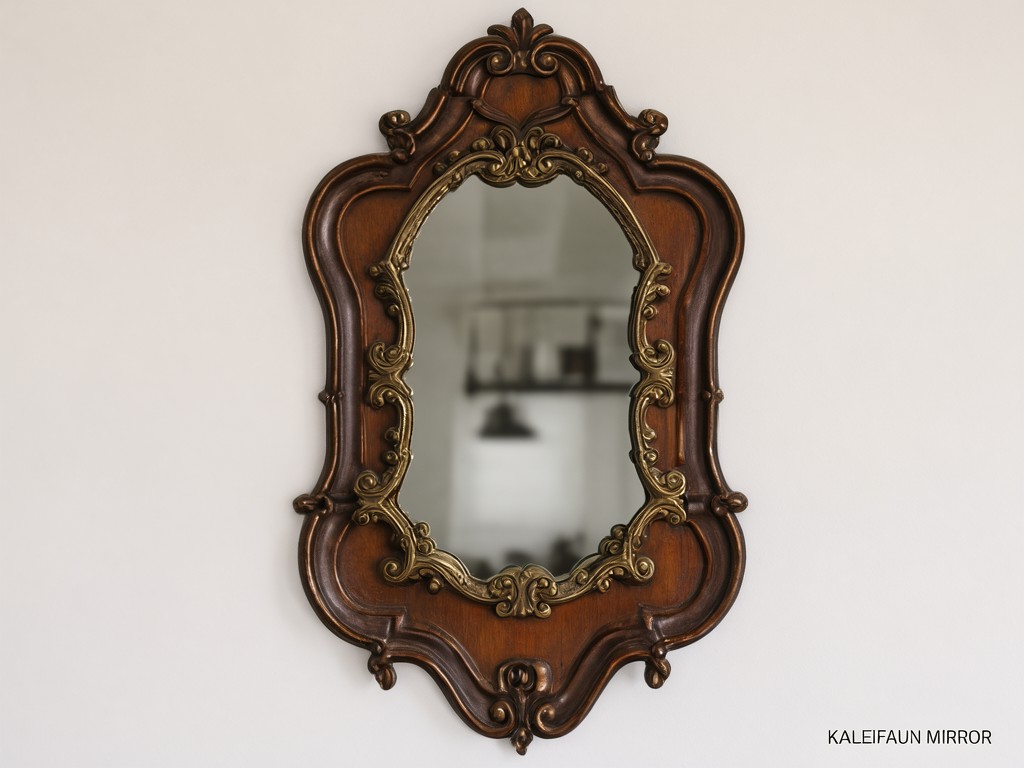
Before comparing quotations, define what “antique” means on the approved sample. A rubbed edge, a dark glaze in carved details and deliberate mirror spotting are separate effects; treating them as one general finish description leaves room for visible variation between cartons.
Wholesale complaints commonly trace to frame colour shifts, chipped corners, a mirror panel that moves in its rebate, or mounting hardware that does not suit the unit’s weight. Each issue can trigger inspection labour, replacement freight or a retailer credit. Set acceptance points for the frame, glass and hardware before the first production run.
Design Constraints Behind the Specification
Frame depth, glass size and mounting method determine the finished mirror’s weight and wall clearance. Confirm the complete assembled dimensions and weight, not just the glass dimensions; the fixing method must suit both the product and the intended wall substrate.
A typical production route forms or joins the frame, applies the selected aged finish, fits the mirror panel and secures a backing with wall-mount hardware. Material choice affects both detail and repair options: wood accepts sanding and local touch-up, while moulded resin can reproduce deeper ornament but is harder to repair invisibly after impact.
| Finish and colour option | Typical frame route | Batch-control point |
|---|---|---|
| Distressed ivory or warm white | Painted wood or moulded resin with rubbed edges | Approve the base shade and the amount of exposed undercoat on a physical sample. |
| Aged gold or muted bronze | Metallic coating with a darker glaze or hand-applied patina | Compare colour under consistent lighting and check corners for excess coating or bare areas. |
| Weathered wood tone | Stained wood with controlled distress marks | Record acceptable grain and distress variation; natural grain will not repeat exactly. |
For antique-look mirror glass, specify whether spotting or edge aging is intentional and where it may appear. If a clear reflection is required, keep the glass surface free of artificial aging and confine the vintage effect to the frame.
Option Comparison by Usage Level
Decorative, Lower-Traffic Placement
A lightweight frame and standard mirror panel can suit occasional-use rooms and price-led retail ranges. The trade-off is less material for carved detail and less tolerance for rough handling, so check frame joints, backing retention and corner protection during inspection.
Frequent-Use or Larger-Format Placement
A deeper frame, reinforced backing and mounting points matched to the assembled weight add cost and material. They make sense for full-length mirrors, hospitality interiors and ranges with repeated handling. Confirm the finished weight and fixing layout before approving the sample.
Choose the least costly construction that meets the expected handling and service conditions. A thicker frame does not correct poor joint fit or an insecure backing; the inspection plan must check those details directly.
Who Uses It and Where It Matters
Home Décor Retail
Retail buyers need the approved frame colour and distress pattern to hold across replenishment orders, with clear dimensions and mounting details for product listings.
Hospitality Projects
Project purchasers value repeatable dimensions and mounting positions across rooms. Public-area use calls for clear installation guidance and a frame finish suited to routine surface cleaning.
Interior Design Distributors
Distributors need a sample that represents the production finish and a consistent record of the selected glass, frame profile and hardware for later orders.
Requirements by Buyer Segment
Brand product managers should lock the approved reference sample, finish description, frame profile and retail dimensions in one specification file. Keep changes to glass, backing or hanging hardware visible in revision records; an apparently minor substitution can alter product weight, wall clearance or the look of the edge.
Wholesale buyers should compare landed cost against likely inspection time, damage claims and replacement handling, not unit price alone. OEM buyers matching an existing private-label specification should provide the current sample and dimensional drawing where available, then agree which features are fixed and which may vary naturally, such as wood grain or hand-applied patina.
A practical factory check covers overall dimensions, frame joint fit, glass condition, backing retention, hardware position and finish appearance against the approved sample. Record batch identification with the inspection result so a later quality query can be traced to the relevant production lot.
Care, Storage and Service Life
Keep moisture away from the mirror’s edges and rear backing. Liquid that reaches an unsealed edge can cause deterioration at the reflective layer; use a soft cloth with cleaner applied to the cloth, not sprayed directly onto the glass.
For storage, keep mirrors upright in a dry area with stable support and separation between units. Avoid pressure on the glass and frame corners. Before installation, inspect the panel for cracks, check that the backing remains secure, and confirm that wall fixings suit the surface and assembled mirror weight.
A coated or distressed frame may show wear sooner at edges that receive repeated contact. State the approved cleaning method in product care information; abrasive pads and strong solvents can alter the finish and complicate warranty assessment.
Ordering, Tooling and Lead-Time Questions
What should the approved sample record?
Record the frame profile, finish and colour reference, acceptable distress pattern, mirror type, assembled dimensions, weight and hardware layout. Note any natural variation that is acceptable, especially for wood grain and hand-applied ageing.
Will an existing design require new tooling?
A repeat order using an existing frame profile may avoid new tooling. A changed profile, moulded ornament or unusual joining detail can require a tooling review or a new sample stage. Confirm ownership, storage and reuse terms for any dedicated tooling before approval.
How do order quantity and lead time affect the quote?
Minimum order quantity and schedule depend on the frame material, finish process, glass availability and whether the production line already runs the selected profile. Ask for separate timing for sample approval and batch production, then confirm the inspection points that must be complete before release.
Which checks help control repeat-order variation?
Use a retained reference sample, written finish criteria and checks for dimensions, glass condition, joint fit, backing retention and hardware position. For finishes with hand-applied ageing, agree the acceptable range rather than expecting every unit to match a single mark exactly.
Request a Specification Review
Send the target dimensions, approved finish reference, expected order quantity and any existing product sample. A review can identify specification gaps that affect batch consistency, inspection effort or service claims before you place the order.