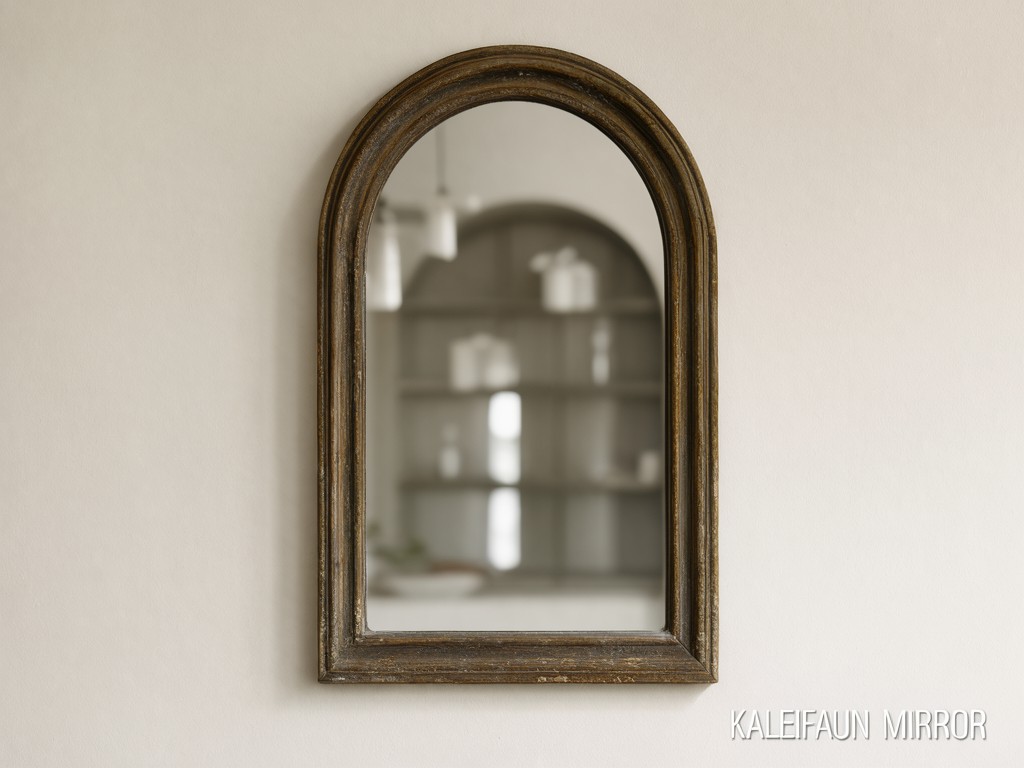
Bespoke vintage arched wall mirror: What Buyers Should Check Before Ordering
Selection trade-off: A lower-cost frame or finish can work for a tightly controlled range, but it leaves less room to absorb material and colour variation between lots. Agree the mirror dimensions, frame construction and finish reference together; mismatches often cost more in returns and reorders than the initial unit saving.
What This Product Is and Where It Fits
Material choice starts with the conditions the product will meet: a framed glass mirror is sold on its reflected image, its outline and the finish consistency buyers see across a retail range. For a vintage arched wall mirror, the usual construction combines glass cut to an arch, a formed or assembled frame, and a decorative aged-look finish. The vintage effect may sit on the frame rather than in the mirror glass itself, so describe the finish clearly in product specifications and retail copy.
Retail buyers and importers use this format in coordinated home décor assortments, where one size or finish variation can make the display look inconsistent. A stable reference sample, approved drawing and repeatable finish process help keep subsequent orders close to the range already on sale.
What the Design Has to Balance
A taller arch puts more emphasis on frame rigidity and hanging stability. The glass, frame and backing need to remain aligned through assembly and transit; if one changes without updating the others, the mirror can sit unevenly or the frame can show a different profile from the approved sample.
Wood or engineered-wood frame: Suits carved profiles and painted or distressed looks. Engineered wood can limit material movement in indoor use; solid wood allows more natural grain but may vary more between components and production lots.
Metal frame: Formed metal supports slimmer profiles and repeatable outlines. The finish process and surface preparation affect the aged appearance, so price any extra hand-applied variation against the time needed to reproduce it.
The trade-off is not just material cost. A detailed profile or hand-finished patina may strengthen the shelf appearance, but it also makes lot-to-lot colour and texture harder to match. Define where variation is acceptable and retain a signed finish sample for reorder comparison.
Buying Mistakes That Lead to Returns
Returns often start with a small mismatch that becomes obvious beside other units: the arch is slightly different, the frame looks warmer or cooler, or the hanger position changes how the mirror sits on the wall. Record the approved reference for each feature instead of relying on a general description such as “antique gold” or “vintage style.”
Use the order file to establish the acceptance basis before production. These checkpoints give the buyer and factory a shared reference when reviewing samples and repeat orders.
| Order-file checkpoint | Reference to approve | Return risk if left unclear |
|---|---|---|
| Overall size and arch profile | Dimensioned drawing with agreed measurement points and shape reference | Units may not align visually on a retail wall or fit the planned display space. |
| Frame colour and aged effect | Approved physical sample, with acceptable variation noted for the finish | Visible shade differences can split one assortment into mismatched groups. |
| Hanging hardware and orientation | Hardware position, intended orientation and mounting instructions | The mirror may hang off-level or require extra handling after delivery. |
| Glass and backing configuration | Specified glass construction, backing choice and fit within the frame | An unapproved change can affect weight, fit or the buyer’s product description. |
A cheaper first order does not lower cost per unit sold if later lots need markdowns or replacement shipments. Keep the drawing, sample approval and finish reference tied to the purchase order so a reorder does not depend on memory or colour names alone.
Requirements by Buyer Segment
Retail buyers need a finish and outline that remain consistent across the assortment, plus packaging suited to their shelf or e-commerce route. If several sizes share one design, define the frame width and arch proportions for each size rather than scaling the artwork informally; otherwise, the family can lose visual balance on display.
Importers should compare landed cost, not factory price alone. Frame weight, carton dimensions and breakage exposure affect freight and replacement costs, while finish variation can complicate the sale of mixed lots. Request the proposed packing configuration and artwork details early enough to assess the complete order cost.
Wholesale buyers often prioritize repeat availability across seasonal replenishment. Keep item codes, finish names and approved references stable in the order documentation, and flag any proposed material substitution before production. A lower-cost substitute is only useful if it preserves the appearance and fit buyers already associate with the item.
Capacity, Tooling and Scheduling
A new arch profile may need a forming jig, cutting template or frame tooling before repeat production can begin. The charge and setup time depend on the frame material, profile detail, size range and whether existing tooling can be adapted. A single approved size usually needs less setup than a family of related sizes with separate frame dimensions.
Scheduling should account for sample approval, tooling confirmation, frame finishing, glass preparation and packing-material procurement. Late changes to the arch shape or finish reference can reset sample review and move the production slot; confirm those choices before quantity and ship dates are fixed.
For repeat orders, retain the approved drawing and finish sample with the item record. This makes changes visible before a material or process substitution affects unit weight, frame appearance or packed carton volume.
Export Packaging and Handling Protection
The arched glass and projecting frame edges need protection from contact and movement inside the carton. Specify corner protection, face separation and internal restraint around the actual mirror dimensions; a carton that fits the glass but allows the frame to shift can still arrive with edge damage or finish rub.
Ask for the packed-unit dimensions and gross weight before freight booking. Those details influence pallet layout, container utilization and handling charges. Retail labels, orientation marks and carton identification should match the destination market’s receiving process and the buyer’s item data, with label artwork approved before the packing run.
For a quotation review, send the target size, frame material, finish reference, expected order quantity and destination. Share the product brief and request a quotation review before locking the retail price or replenishment plan.