Specifying custom distressed black wall mirror factory for Wholesale and OEM Orders
Consistency is set at the forming stage: frame profile, corner joints and the surface layers all affect how the finished mirror looks from one carton to the next. For wholesale orders, the practical cost is not only the factory price. Breakage, mismatched distressing and frame damage can erase margin through replacements and customer returns.
What the Design Has to Balance
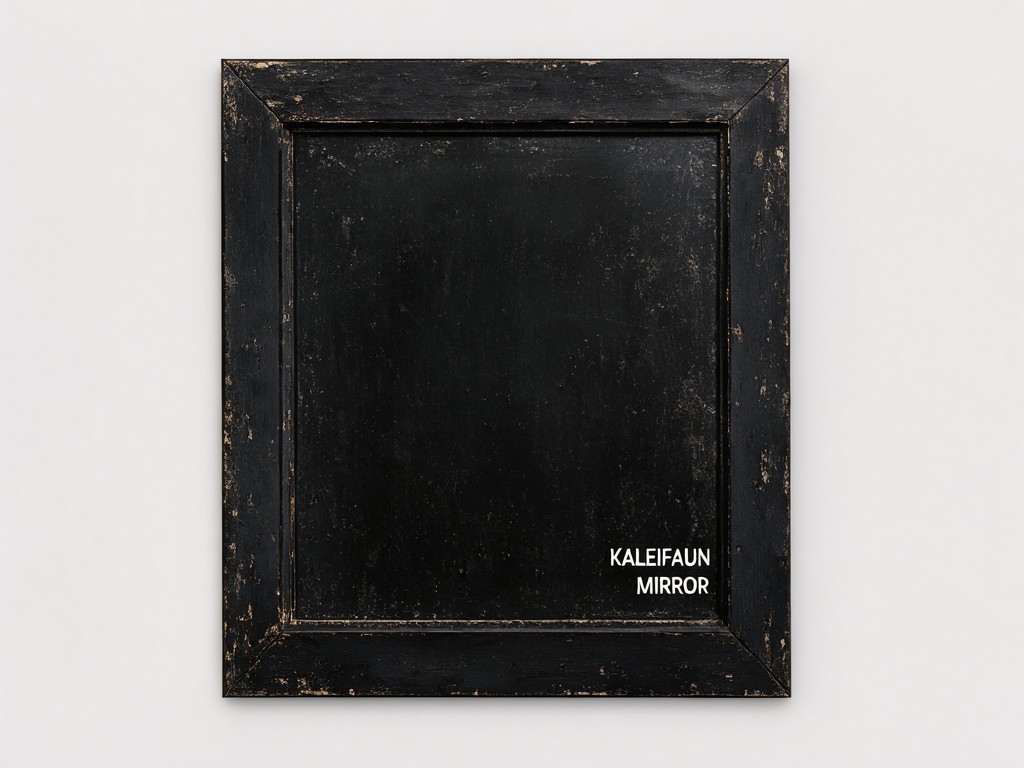
A distressed black mirror is usually built from mirror glass set into a wood or engineered-wood frame. The frame is machined and joined first, coated with a black base, then selectively abraded to create the aged surface. A clear topcoat can reduce rub-off, but a heavy or glossy coat may soften the dry, worn appearance buyers expect.
Finish rule: approve a physical frame sample before production. Specify the exposed-underlayer colour, distressing location and acceptable variation; otherwise, “distressed black” can mean a different visual balance to each supplier.
A wider frame gives the finish more visual area and can protect the glass edge, but it adds material, weight and freight volume. A narrow profile lowers those costs, although small chips and uneven abrasion become more noticeable at close viewing distance.
How It Performs in Use
The first complaints are often visual: a dark patch where distressing was expected, exposed wood that reads too warm, or a frame that appears substantially different from the approved sample. These issues usually trace back to an undefined finish reference or inconsistent abrasion, not the mirror glass.
In service, loose corner joints, chipped frame edges and cracked glass are the failures that drive replacement requests. Secure joinery limits frame movement; protected glass edges and a fitted inner pack reduce contact with the carton. The hanging method also needs to match the mirror’s finished weight and the wall fixing used at the destination.
A hand-distressed surface will not be identical piece to piece. The commercial target is controlled variation: the same overall black tone and wear pattern, without isolated bare patches or coating transfer during ordinary handling.
Size, Weight and Specification Range
The ranges below are quotation starting points, not fixed catalogue limits. Finished weight changes with glass thickness, frame section, backing and hanging hardware; confirm the packed dimensions separately before freight pricing.
| Specification | Typical planning range | Customization choices | Cost or return consideration |
|---|---|---|---|
| Overall size | About 300 × 400 mm to 900 × 1200 mm; made to order | Portrait, landscape or custom proportions | Larger formats increase carton size and glass-breakage exposure in transit. |
| Finished weight | Roughly 3–18 kg across the size range | Varies with glass, frame depth and backing | Use finished weight to select hanging hardware and confirm handling requirements. |
| Glass and frame | Mirror glass commonly 3–5 mm; frame depth often 25–60 mm | Frame profile, backing and edge coverage by order specification | A deeper, wider frame costs more but can provide greater visual coverage at the glass edge. |
| Distressed black finish | Black base coat with controlled abrasion and optional clear topcoat | Matte or low-sheen surface; defined wear areas and underlayer tone | More handwork adds finishing time; a signed sample limits disputes about appearance. |
| Hanging and packing | Hardware and pack selected for the size and packed weight | Single or dual hang points; retail or bulk export pack | Confirm hardware position, carton dimensions and protective separation before approval. |
Buying Mistakes That Lead to Returns
The phrase “antique black” is not a usable finish specification by itself. If the buyer does not define how much of the underlayer may show, production can meet the description while still missing the approved retail look.
- Ordering by outer dimensions alone can leave too little mirror area once the frame width is included. Confirm both the outside size and visible glass size.
- Selecting a frame profile before checking the finished weight can leave the supplied hanging hardware mismatched to the product.
- Approving a finish from a photograph hides sheen, texture and exposed-underlayer colour. Retain a physical reference for repeat orders.
- Using a standard carton for a larger mirror can allow edge movement in transit. Check the assembled pack with the actual mirror size and corner protection.
A lower unit price can become a higher cost per unit sold if the pack needs frequent replacement or the finish produces avoidable returns. Compare the price against the agreed appearance, packed dimensions and expected damage exposure.
Who Uses It and Where It Matters
Home Décor Importers
Importers supplying furniture and décor retailers need repeatable frame tone and a carton that protects corners through container handling and local distribution. A documented sample matters most when the same style returns across several purchase orders.
Furniture and Gift Retail Buyers
Retail buyers often merchandise mirrors beside wood furniture, where a mismatched undertone is easy to spot. Size options, consistent hanging orientation and retail-ready packaging help reduce store handling and presentation issues.
Hospitality and Interior Projects
Interior purchasers specifying multiple rooms need dimensions, finish appearance and hardware placement to remain consistent across the installation. Confirm the intended wall fixing and cleaning conditions; a decorative wood frame is not automatically suited to wet or exposed outdoor locations.
Segment-Specific Requirements
Choose the specification according to the selling channel and the complaint it is most likely to generate:
- If the mirror will be sold through furniture retail:
- Set frame width and visible glass dimensions together, so customers do not receive a mirror with less reflective area than expected.
- Approve the black tone and distressing against nearby furniture finishes; appearance variation is the likely source of mismatch claims.
- If the order is for an interior project:
- Lock the outer dimensions, orientation and hanging point positions across the schedule before production.
- Confirm the wall construction and fixing method with the installer; do not assume one anchor suits every site.
- If the order will travel through parcel or mixed freight:
- Prioritize glass-edge separation, corner protection and a snug fit that limits movement inside the carton.
- Weigh the added pack material against the replacement cost and damage history for that route.
How Consistency Is Held Across Batches
Repeatability starts with a fixed frame profile, joint method and coating sequence. The distressing reference should state where abrasion appears, how much base colour remains and which areas stay fully coated. Without those controls, a small change in sanding pressure can shift the look across an entire batch.
For each order, compare frame dimensions, diagonal measurements and finished weight with the approved specification. Review the coated surface under consistent lighting, check joints for movement, inspect glass edges and backing, and confirm the hanging hardware position. Record the approved sample and batch identification so a reorder has a physical reference.
Packing should be checked as a finished configuration, not inferred from the empty carton. A trial pack can reveal corner contact, frame rub and excess movement before the shipment is released. Agree any transit simulation or handling check in the order specification rather than assuming a test level that has not been defined.
Ordering, Tooling and Lead-Time Questions
Can the distressing be repeated on a reorder?
Yes, within the variation agreed against a retained physical sample. Supply the approved frame finish reference and confirm whether natural wood grain or a painted underlayer should show through.
Does a custom frame size require new tooling?
Not always. A change to cut length or overall mirror dimensions may use an existing frame profile, while a new cross-section or moulded detail can require profile tooling. Confirm the tooling scope and any charge after the frame drawing is reviewed.
What affects the quoted MOQ and production schedule?
Frame material, finish handwork, glass size, packaging and the number of design variants all affect setup and purchasing. A confirmed schedule follows approval of the drawing, finish sample, packaging details and order quantity; ask for the timing basis with the quotation.
What should be fixed before export packing is priced?
Confirm the finished size and weight, carton configuration, corner protection, retail labels and destination handling route. These details affect both freight calculations and the level of protection needed around the glass.
Request a specification review before approving production. Send the target dimensions, frame profile, finish reference, expected order quantity and shipping format so the quotation reflects the details that affect returns and cost per unit sold.
Discuss your mirror specification