custom small antique ornate wall mirror suppliers: Specification, Ordering and Quality Notes
Two suppliers quoting the same specification can deliver very different costs per unit sold. For a small ornate mirror, the frame finish, glass protection and packing method often determine whether the buyer sells a lasting decorative piece or pays for replacements and returns.
For OEM buyers, importers and purchasing managers outfitting guest rooms, salons or changing areas, the useful comparison is the expected service life against the landed unit cost. Set the frame material, finish treatment, mirror dimensions and freight protection before comparing quotations; “antique” alone does not define a repeatable product.
Where Cheaper Alternatives Fall Short
The first complaint is often a finish that looks flat, overly uniform or unlike the approved sample.
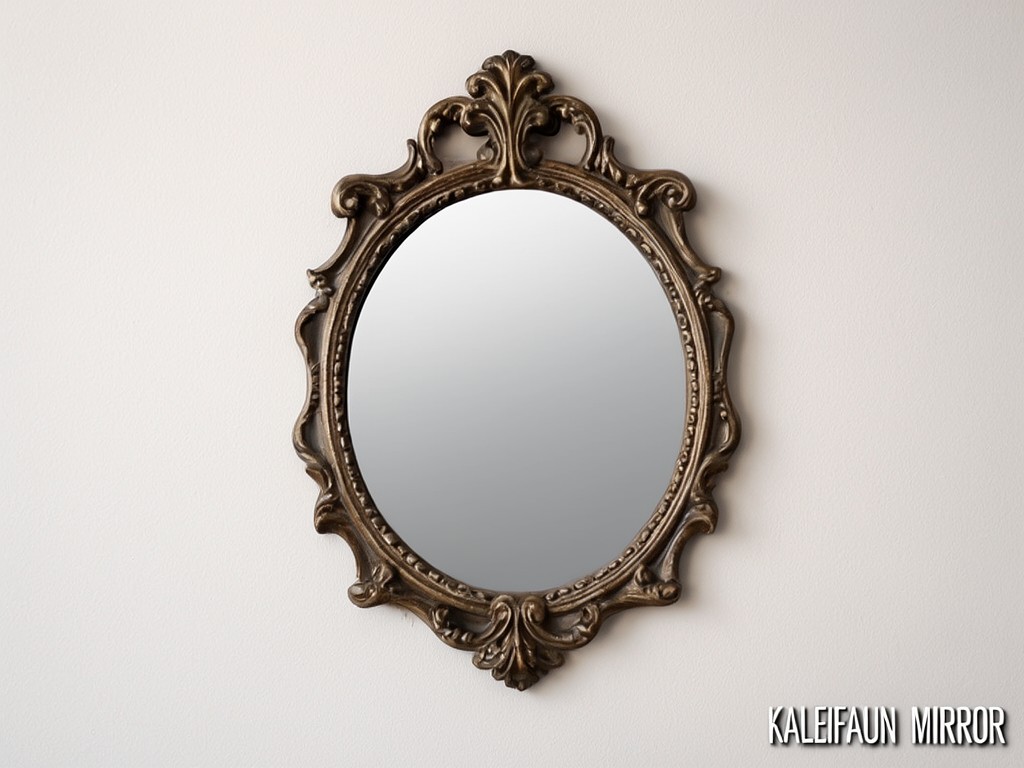
A low-cost antique effect may rely on one coat of metallic paint over a molded frame. Raised details then lose contrast, while edges and corners show wear sooner because handling concentrates contact there. Specify the base colour, topcoat sheen and the intended variation between high points and recessed details. A hand-applied patina can add depth, but it also needs a visual limit or units in the same carton may look like different designs.
- Chipped ornament usually points to a brittle frame or thin coating at projecting details. Simplifying delicate projections can lower breakage in storage and transit.
- Dark marks at the mirror edge can follow moisture exposure or poor edge protection. The issue is more likely in bathrooms and other humid rooms than in a dry retail display.
- A loose hanger or distorted backing turns an intact mirror into a return. Specify the hanging method and intended wall orientation with the finished weight.
What Actually Determines Performance
A wall mirror works as a linked assembly: reflective glass sits within a frame, the backing supports and retains the glass, and the hanger transfers the assembled load to the wall. Weakness in any one part can drive a complaint even when the other components meet the agreed description.
Specify the mirror’s finished dimensions and assembled weight alongside the hanging hardware. A change in frame depth or ornament density changes both weight and the load on the fixing; do not carry over a hanger specification from a lighter sample without review.
The reflective surface is commonly silvered glass. Glass thickness affects weight and the space required in the frame rebate, while edge coverage helps shield the reflective layer from moisture. For a humid installation, agree on backing material and edge treatment rather than relying on the frame finish to protect the mirror.
A polyurethane-resin frame can reproduce fine molded ornament at a lower weight than a comparable solid carved frame. That makes it suitable for small decorative formats, although narrow raised details remain vulnerable to impact. The trade-off is practical: more intricate relief may improve shelf appeal but call for more protective packaging and careful handling.
How It Is Built and What That Changes
For this product family, a plausible production route uses a reusable mold for the polyurethane-resin frame. The frame is cast, trimmed and prepared for its coating system; primer and colour layers establish the base, then an antiquing treatment adds contrast to the relief. The mirror glass is cut to suit the opening, seated against the backing and retained within the frame.
That route suits small and medium custom runs because the mold can reproduce ornamental detail without hand-carving each unit. A new frame shape still requires pattern and mold work, so it carries setup cost and can extend the first order. Reusing an existing mold usually lowers entry cost, but it limits the buyer to its dimensions and relief profile.
Packing is part of the build decision. Delicate corners need clearance from the carton walls, and the glass face needs separation from other surfaces. If the mirror ships in mixed cartons or through several distribution points, confirm whether the supplier quotes individual retail packaging, master cartons or both.
Specification Range and Customisation Limits
Small decorative wall mirrors commonly fall around 200–450 mm in overall height, with a frame face width near 25–70 mm. These are planning ranges, not fixed production limits; the ornament profile and glass opening set the practical proportions. Confirm whether the quoted size refers to the glass or the outer frame, since that difference affects both the visible mirror area and the carton size.
Glass thickness, backing and hanger should be approved as one assembly. A 3 mm mirror may suit a compact, light frame, while a 4 mm option adds weight and requires a compatible rebate and retention method. The supplier should quote finished weight from the approved configuration; frame size alone is not enough to select wall hardware or estimate freight.
For repeat orders, hold the approved drawing, frame colour reference, sheen and patina level as the purchasing baseline. Hand-applied antiquing can vary by nature, so define the acceptable visual range with a signed sample or marked reference images before the production order.
Customisation Options and Their Limits
Finish choices affect the look, repeatability and amount of manual work per piece. Use the table to narrow the finish brief, then approve the actual colour and patina on the selected frame profile.
| Finish direction | Common colour choices | Ordering consideration |
|---|---|---|
| Antique metallic with darker recesses | Aged gold, muted bronze | Specify the contrast between raised details and recesses; hand-applied patina can vary across units. |
| Painted antique effect | Ivory, distressed white, muted grey | Agree the distress level and sheen. A heavily distressed look takes more manual finishing and needs a clear sample reference. |
| Dark aged finish | Antique black, deep brown | Raised edges show handling wear first; ask for the intended topcoat and touch-up approach. |
Selection Path for a Repeatable Order
- If an existing frame mold meets the target size, select it first; this avoids new mold cost and shortens setup.
- If the profile is close but not exact, ask whether the mirror opening or finish can change without altering the mold.
- If the ornament or outer dimensions must change, price a new pattern and mold separately from the unit cost.
- If the product will be used in a humid room, prioritize edge coverage and a suitable backing over extra frame ornament.
- If retail presentation depends on matching units, settle the finish sample, patina range, label and individual pack before confirming the production quantity.
Artwork changes are usually simpler than a new molded profile. Logo labels, carton graphics and private-label inserts can be quoted separately; provide print files, placement and language requirements with the order brief. Custom colours may require a minimum batch or additional sample approval, so ask for those costs before setting the retail price.
Request a specification review before comparing landed prices. Send the target outer dimensions, frame reference, finish sample or colour brief, intended room conditions, hanger preference and packaging requirement. A supplier can then quote the mold route, assembled configuration and order-specific limits on one basis.