Custom vintage beveled etched wall mirror Maker: What Buyers Should Check Before Ordering
Before comparing quotations, align the glass size, bevel width, etched artwork, backing, and pack-out. A difference in any one of these can shift both unit cost and the production slot—and a late artwork or carton change can put a retail launch date at risk.
A custom vintage mirror is typically made from mirror glass with a polished bevel and a decorative etched surface or pattern. Confirm whether “vintage” refers to the etched design, an aged-looking mirror finish, or both; these are different processes and should be specified separately.
Where This Product Beats Standard Alternatives
| Option | What the buyer gains | Cost or use trade-off |
|---|---|---|
| Beveled, etched mirror | Etched detailing and a polished angled edge give a framed or decorative appearance without a separate applied frame. | Additional edge and surface processing raises unit cost and adds steps to production. |
| Plain mirror glass | Fewer decorative operations suit price-led ranges and simpler repeat orders. | It does not provide the same etched detail or edge treatment. |
| Aged-effect mirror finish | Distressed backing creates tonal variation for interiors that call for an antique appearance. | Variation is part of the finish; agree an acceptable appearance range for repeat batches. |
Etched details are cut into the glass surface, while a distressed appearance generally comes from treatment behind the reflective layer. If the mirror will be cleaned often, specify the etched area and cleaning method together. Abrasive pads can dull the polished bevel or mark the exposed glass; strong chemicals can damage the backing if they reach an unsealed edge.
For bathroom or hospitality installations, repeated moisture, cleaning solutions, and temperature changes make edge protection and installation clearance worth checking. Chlorine-based cleaners should not be assumed compatible without a material-specific review. UV exposure can also change some decorative backing effects over time, so confirm suitability for a sunlit location rather than treating all vintage finishes as equivalent.
Etched detail with standard backing
Choose this route when the vintage character comes from the surface design and the product needs a consistent mirror field. It usually involves fewer finish variables than an intentionally distressed backing.
Etched detail with aged-effect backing
Select this for a visibly antique look, but approve a physical sample that defines the intended variation. Batch matching can be harder when the effect depends on a deliberately irregular pattern.
Size, Weight and Specification Range
Two suppliers quoting the same specification may still be pricing different glass thicknesses, bevel widths, or hanging hardware. Put finished dimensions and tolerances on the drawing, and state whether the size refers to the glass edge or the overall product including any frame or fittings.
Specification rule: bevel width, corner treatment, etched artwork position, backing type, and mounting method should be approved together. A change to glass thickness can affect weight, edge appearance, hardware selection, and carton design.
Glass dimensions and weight depend on the final outline and thickness. The ranges below are starting points for quotation, not a substitute for a product drawing or a confirmed weight calculation.
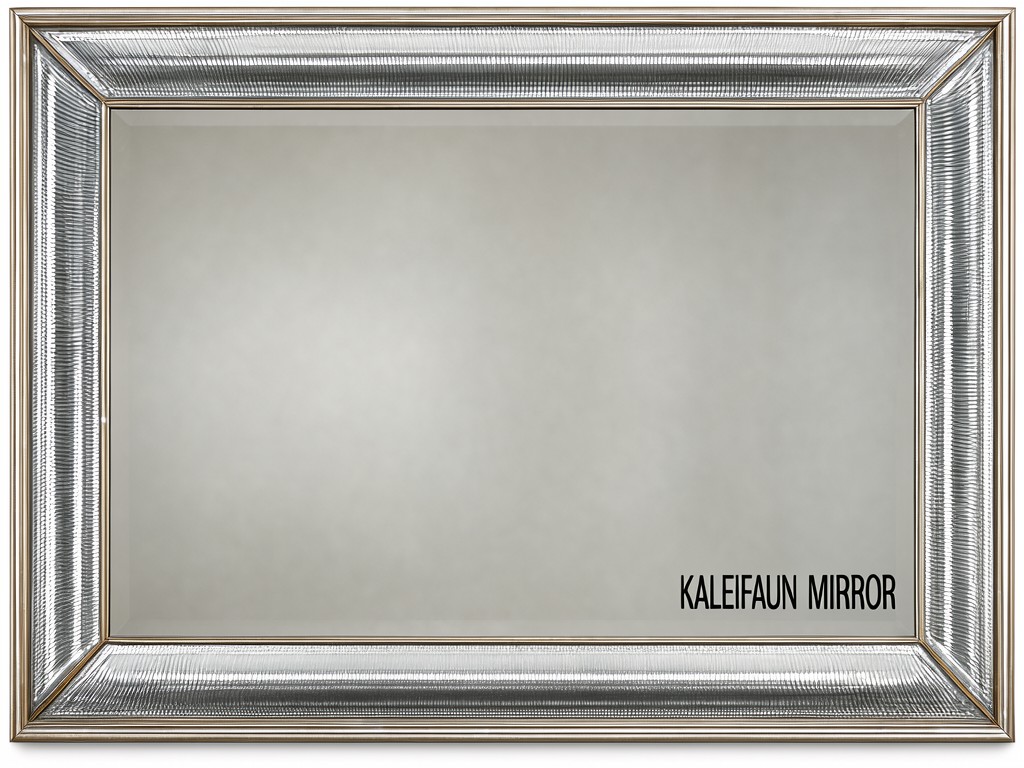
- Set the finished width and height in millimetres, including corner radii or shaped edges where applicable.
- Choose glass thickness against panel size, handling needs, and the mounting system; confirm the resulting weight before selecting wall fixings.
- Call out the bevel width and whether it runs around the full perimeter or only selected edges.
- Supply vector artwork for etched logos or repeat patterns, with placement dimensions referenced from a fixed edge.
- Specify backing and edge protection for the intended room and cleaning routine, especially where moisture or cleaning products may reach the perimeter.
Working as a Production Partner, Not a Catalogue Supplier
Unit price settles the question only after the approved construction is clear. For a private-label range, the production file should hold the glass outline, bevel profile, etch artwork, finish reference, hardware, and carton specification in one revision-controlled pack.
A physical sample is useful for more than appearance approval. It lets the retail team review the bevel under store lighting, judge the etched contrast at normal viewing distance, and confirm whether any aged effect falls within the intended range. Sign off the sample and artwork together; a late artwork revision may require a new setup or rescheduling.
For reorders, retain the approved sample reference and drawing revision. That record reduces the risk of artwork scale drift, changed bevel proportions, or a different interpretation of “vintage” between production lots.
Stock Availability and Reorder Planning
Custom etched and beveled mirrors are generally made to order. Standard glass thicknesses, common hardware, or stock carton materials may be available sooner than a custom outline, non-standard finish, or made-to-size protective packaging.
The table gives planning ranges for an initial discussion only. Actual minimum order quantity and lead time depend on the glass format, artwork setup, finish, sample approval, production queue, and destination. Confirm a dated schedule against the approved specification before committing a launch date.
| Order stage | Indicative planning window | MOQ and timing factors |
|---|---|---|
| Sample and artwork approval | Often several weeks after complete artwork and dimensions are received. | Complex etching, shaped glass, and finish revisions can add setup time. |
| First production order | Allow several additional weeks after sample sign-off; confirm the slot for the required ship date. | MOQ is set by glass yield, processing setup, and packaging requirements. |
| Repeat order | May be shorter if the approved file, materials, and production slot are available. | Small replenishment quantities may carry a higher unit cost or a longer wait for material allocation. |
For a fixed launch window, send the forecast and required delivery date with the first enquiry. A split shipment may help when the retail set date is fixed, but it can increase freight cost and requires agreement on how each lot is packed and identified.
Packing, Marking and Freight Configuration
A mirror can leave the factory without visible damage and still arrive with chipped corners if the carton lets the glass move. Specify edge and corner protection, separation between units, and a carton strength suitable for the transport route and handling method. Oversized panels may need a different pack format from smaller retail units.
Confirm whether the goods will ship as individual cartons, palletised units, or a mixed configuration. Include carton marks, SKU, finish name, quantity per carton, handling instructions, and any retail barcode or label files in the packaging approval. Moisture exposure in transit also merits attention because damaged edge protection can leave the mirror backing vulnerable.
Share the destination, target ship date, artwork, dimensions, estimated order quantity, and preferred pack-out for a quotation review. Send the specification for quotation review so the price and schedule can be assessed against the same approved configuration.