Specifying high-quality vintage bedroom wall mirror factory for Wholesale and OEM Orders
Unit price settles the question only after the delivered mirror passes the buyer’s checks for glass clarity, frame alignment and safe arrival. A lower quote can shift cost into chipped corners, loose hanging hardware or replacements after transit; compare the finished specification and packing method before treating two prices as equivalent.
For importers, bedroom brands and academy or club buyers furnishing residential rooms, the repeat complaints tend to start at the edges: silvering blemishes, a frame that sits out of square, or a back panel that flexes around its fixings. A second source should be approved against the same drawing, finish sample and packaging brief as the incumbent, with any differences recorded before a purchase order.
Size, Weight and Specification Range
Mirror glass is commonly specified at 3–5 mm, with the frame and backing adding weight and depth. Larger panels need stronger frame joints and a hanging arrangement matched to the finished mass; confirm overall dimensions, glass thickness, frame profile and hardware position on one approved drawing.
| Packaging configuration | Typical use | Points to confirm |
|---|---|---|
| Individual carton with corner protection and internal cushioning | Retail orders and mixed-SKU shipments | Mirror face clearance, frame protection, carton markings and packed dimensions |
| Individual cartons secured in a master carton or export crate | Container freight or larger replenishment batches | Stacking orientation, movement inside the outer pack and handling instructions |
| Protective corner blocks with a fitted partition or sleeve | Orders with exposed or projecting frame details | Whether the protection touches the finish or loads pressure onto the glass |
Assumptions Buyers Should Stop Making
Unit price and service life diverge when quotations describe the same outside size but not the same glass, backing or hanging method. A decorative frame can conceal a weak joint, and a mirror that looks flat on a small sample can show distortion across a larger panel. Ask for the glass thickness, backing construction, frame material, joint method and fixing details rather than relying on a product name or reference photo.
“Vintage” describes a design direction, not a single finish process. A distressed wood frame, an aged-tone metal frame and deliberately antiqued mirror glass have different appearance variation and cleaning requirements. Approve the intended effect on a physical sample, then define which natural variations are acceptable and which count as defects.
Before comparing quotations, align the inspection points and freight pack. If the incumbent’s specification is incomplete, use a measured sample and photographs to create a controlled baseline; otherwise a second source may meet its own quote while producing a noticeably different mirror.
Customisation Options and Their Limits
Finish choices affect both unit cost and repeatability. Select the surface treatment around the expected room use and the variation your sales channel can accept.
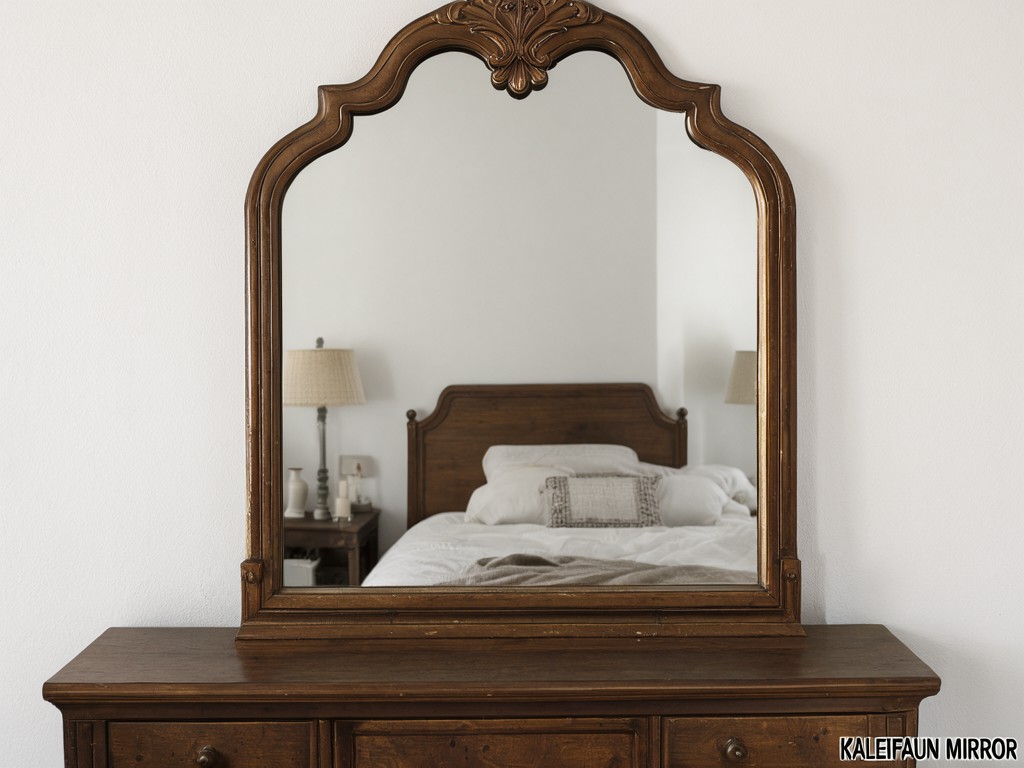
Wood or Wood-Look Frames
Solid wood permits sanding and refinishing but usually costs more and can vary in grain and tone. MDF-based profiles support repeatable painted finishes at a lower material cost; protect exposed edges from moisture and specify the coating sheen and colour against an approved sample.
Distressed or Aged Effects
Hand-applied distressing gives each frame visible character but permits more unit-to-unit variation. Printed or controlled surface effects repeat more closely across reorders. Define the allowed range in the sample approval; excessive abrasion can expose the substrate or weaken the finish at corners.
Custom dimensions, frame profiles, backing labels and hanger positions are practical options when the drawing is stable. Very narrow profiles, deep projections or unusual hardware can require new tooling or a revised pack, so request a tooling review before fixing the target price.
OEM and ODM Programme Structure
OEM production follows the buyer’s approved dimensions, materials, finish and branding. ODM development can start from a factory design or reference sample, but the buyer still needs to approve the final construction and appearance before bulk manufacture.
- Start with a measured drawing or a signed sample record that lists glass thickness, frame depth, finish, backing and hanging hardware.
- Confirm logo artwork, label placement, barcode files and carton marks before packaging materials enter production.
- Set sample approval, order quantity, tooling charges and lead-time milestones against the actual design; frame complexity and custom packaging can change both cost and schedule.
A second-source programme is easier to control when the approved reference remains available for later comparisons. Record permitted finish variation and any substitutions in writing; changes to glass, frame stock or fixings should not be treated as routine purchasing adjustments.
Quality Control and Batch Consistency
A repeatable inspection begins with the approved sample. Check overall dimensions, frame squareness, joint gaps, finish colour, glass clarity and backing condition against recorded acceptance points. Inspect the mirror face under consistent lighting so pinholes, scratches and edge damage do not pass or fail solely because the viewing conditions changed.
Hanging hardware deserves its own check: confirm quantity, position, fastener seating and attachment to the frame or backing. A fitting that looks secure before installation can pull loose if its screws bite only into a thin decorative layer. Where the order requires it, use a controlled load check appropriate to the mirror’s finished mass and mounting arrangement.
Transit damage often appears at corners, frame projections and glass edges. Review pack fit and handling after a representative packed unit is moved through the agreed shipping route or handling assessment. Retain batch identification and inspection records so a complaint can be traced to its production and packaging lot.
Care, Storage and Service Life
Moisture that remains at the glass edge or behind the frame can mark the reflective backing and lift some frame finishes. Care instructions should match the materials supplied, particularly for painted MDF, exposed wood and mirrors with decorative aged effects.
- Clean the glass with a soft cloth and a suitable glass cleaner; apply liquid to the cloth rather than allowing it to pool at the edge.
- Keep the mirror dry during storage and avoid prolonged contact with damp floors, walls or packaging.
- Store cartons upright in the orientation marked on the pack, with no concentrated load on the frame or glass face.
- Install with fixings suited to the wall substrate and the packed product’s confirmed hanging points; do not suspend the mirror by decorative frame details unless the design specifies that method.
For a second-source review, submit the current drawing, reference finish and packing specification with the inquiry. Request a tooling review and quotation before committing to custom profiles or hardware.