Specifying Top Quality antique beveled hanging wall mirrors Distributor for Wholesale and OEM Orders
Material choice starts with the conditions the mirror will meet after installation: dry living spaces, frequently cleaned hospitality interiors, or humid rooms with occasional splash exposure. Glass thickness, bevel width, reflective backing, antiquing treatment and frame construction all affect packed weight and the chance of damage in handling. A lower glass or frame cost can be offset by breakage, returns or inconsistent appearance across a retail range.
For wholesale orders, the useful cost measure is saleable units per shipment and the repeat-order match, not the factory price alone. A wider bevel adds glass-processing time and weight; a more pronounced antique effect creates visual character but needs a clear approved reference because the finish is intentionally varied. Set the target dimensions, viewing appearance, hanging method and packing level before comparing quotations.
What This Product Is and Where It Fits
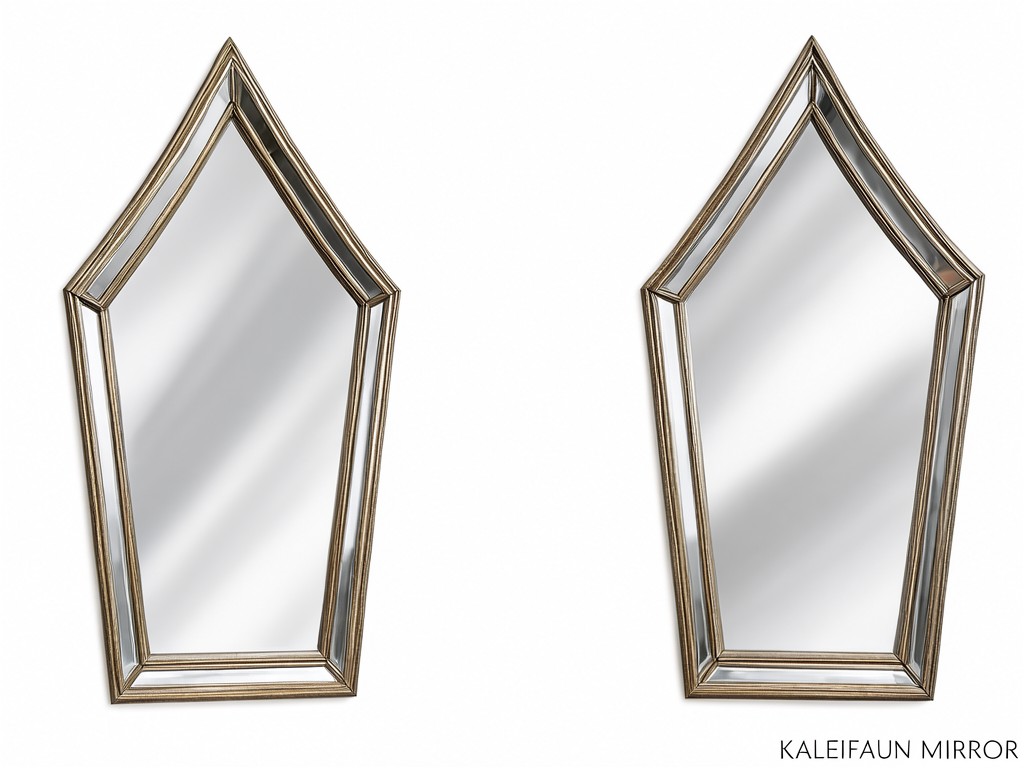
An antique beveled hanging wall mirror combines a reflective glass panel with a perimeter bevel and a deliberately aged-looking reflective finish. It suits home-furnishing distributors, interior retailers and hospitality buyers who need a decorative mirror with a softened edge detail and a less uniform surface appearance than a standard clear mirror. The bevel refracts light at the glass perimeter; the antiqued area is a finish characteristic, not a defect to be judged against a spotless mirror.
| Specification area | Order variables | Buyer decision point |
|---|---|---|
| Panel size and glass thickness | Set to the frame, hanging hardware and intended installation; common glass thicknesses include 3–6 mm, subject to size and design. | Larger panels and thicker glass increase weight, packaging demand and wall-fixing requirements. |
| Bevel and perimeter | Bevel width, corner detail, edge polish and framed or frameless construction are confirmed against the approved drawing. | A wider bevel changes the visible border and raises processing time and glass loss. |
| Antique appearance and hanging | Aged-effect pattern, frame finish, hanger position and orientation are defined by sample or drawing. | Agree acceptable pattern variation and the intended wall-mount arrangement before production. |
Construction Method and Its Effect on Consistency
Production generally starts with cut mirror glass, followed by edge grinding, bevel grinding and polishing. The reflective backing receives the antique treatment and protective backing layers; framed designs then add the prepared frame, hanger and any rear protection. The sequence matters: poor edge preparation can leave chips beneath a frame lip, while inconsistent backing treatment changes the visual density of the aged pattern from piece to piece.
Cost and durability pull in opposite directions once the mirror is large, heavy or intended for a frequently cleaned room. A lighter frame can reduce freight cost but may flex if the glass support and hanger points are not designed for the panel weight. More protective backing and better-sealed frame joints add material and assembly time; they are worth specifying where humidity or routine wipe-downs could reach the rear of the mirror. For dry rooms with careful handling, a simpler construction may keep the retail price in range.
Define the antique finish by an approved physical sample or marked reference image, then assess production pieces under consistent lighting. The effect is intentionally non-uniform; a photographic match alone may not communicate acceptable variation in tone, density or pattern.
Where This Product Beats Standard Alternatives
The main advantage is appearance at the point of sale: bevels give the perimeter a finished light-catching edge, while an antique finish adds variation without requiring a separate decorative overlay. Selection depends on the room and the care routine, not on appearance alone.
Antique Beveled Mirror
Fits decorative retail and hospitality interiors where edge detail and a visibly aged surface support the room scheme. Agree the permissible antique pattern range, and use cleaning instructions that prohibit abrasive pads or unapproved chemicals.
Standard Clear Mirror
Usually the simpler choice for utility areas, broad price points or buyers who need a uniform reflective field. It avoids the antique-effect variation and bevel processing cost, but has less decorative edge character.
Assumptions Buyers Should Stop Making
A decorative finish does not make the mirror suitable for every wet-area installation. Sustained humidity, direct pool splash and repeated contact with chlorine-based cleaners can attack backing or frame finishes unless the construction is specified for that exposure. UV can also alter some frame coatings over time, and sweat or hand oils near a gym or changing-room mirror call for prompt cleaning with a compatible cloth and cleaner.
- Do not treat the antique pattern as a defect-free, identical print; judge it against the approved range and sample.
- Do not assume a wall hanger suits every substrate. The installer must match the fixing to the mirror weight and wall construction.
- Do not rely on carton appearance alone. Glass needs internal separation, edge protection and a pack configuration that limits movement in transit.
OEM and ODM Programme Structure
OEM work follows a buyer drawing, sample or established product specification. ODM development can start from a target retail size, frame style and price position, then resolve the glass, bevel, finish and hanger as a coordinated assembly. In either route, approve the appearance and pack-out before the order is released; late changes to glass dimensions or frame depth can affect tooling, carton size and freight class.
For distributors, the commercial decision is how much finish variation and packaging protection to build into the SKU. A repeatable specification with a retained reference sample limits arguments over normal antique-pattern differences. Branding, carton marks, care instructions and destination labels can be reviewed with the order documents before bulk packing.
Quality Control and Batch Consistency
Consistency is managed through the dimensions and visual limits that can be measured, plus a reference for the finish that is expected to vary. Glass length, width, thickness, bevel alignment, frame fit and hanger position should be checked against the approved specification. Antique appearance needs side-by-side review under agreed lighting because a single piece can look different when room light or camera exposure changes.
A production record should identify the order batch and its approved materials and finish reference. If a mirror will be used in a humid room or cleaned often, specify the exposure and cleaning method at quotation stage; a general indoor mirror should not be represented as suitable for poolside or high-moisture service without a matching construction review.
What Gets Checked Before Shipment
Inspection focuses on saleable condition after handling as well as appearance at the factory. Acceptance limits for finish variation, small edge marks and frame gaps should be agreed before production rather than decided during loading.
| Inspection point | Factory check | Why it matters to the buyer |
|---|---|---|
| Glass and bevel | Measure panel dimensions and thickness; visually inspect polish, chips, scratches and bevel continuity. | Edge damage and uneven bevels can trigger retail rejection or breakage during installation. |
| Antique finish and backing | Compare the effect with the approved sample; inspect for unintended coating loss, contamination or exposed backing. | Confirms the intended aged appearance while identifying finish damage outside the agreed range. |
| Frame and hanging hardware | Check fit, joints, finish, hanger location and attachment against the drawing and approved sample. | Loose joints or misplaced hardware complicate installation and can increase returns. |
| Pack and shipment identification | Check edge protection, internal separation, carton closure, marks and quantity per pack. | Correct packing reduces transit damage and supports receiving checks at the distribution warehouse. |
Stock Availability and Reorder Planning
Stock status depends on the exact size, glass specification, frame and finish; an antique surface pattern is not interchangeable across all product references. For a repeat programme, keep the approved sample, drawing, packaging specification and finish notes tied to the same SKU. This shortens reorder review and reduces the chance that a new batch appears noticeably different on a showroom wall.
Ask for lead time and available quantities against the confirmed configuration, not just the mirror category. Large or fragile packs need space and handling plans at the destination warehouse, while a mixed-SKU order may require separate carton marks and receiving counts. For a quotation review, share target order quantity, delivery destination, size range and required finish reference through the wholesale inquiry team.
Request a Quotation Review
Send the specification or reference sample, target quantity, packing needs and destination. We can review the glass, bevel, antique finish, frame and shipment configuration together before pricing the wholesale or OEM order.