Specifying Top Quality vintage antique brass wall mirror Vendor for Wholesale and OEM Orders
A second source only reduces supplier risk if its mirrors match the approved sample in glass size, frame profile, antique-brass tone and hanging position. For wholesale and private-label orders, a mismatch can mean rework at receiving, retail returns and warranty claims that outweigh a small unit-price saving.
The Problem Buyers Keep Paying For
| Inspection point | Factory check | Release basis |
|---|---|---|
| Overall size and hanging points | Measure against the approved drawing; check left-to-right symmetry. | Drawing and tolerance agreed at sample approval. |
| Antique-brass appearance | Compare finish tone, patina distribution and sheen with the signed reference sample. | Approved visual range under agreed inspection lighting. |
| Glass and frame fit | Inspect the reflective surface, edge condition, frame joints and glass retention. | No defects outside the buyer-approved cosmetic and fit criteria. |
| Wall-hanging hardware | Verify placement and attachment; conduct a load check when the fixture design and order specification require one. | Approved hardware arrangement and buyer-defined check criteria. |
Repeat loading drives the failure at a weak hanging point or a loose frame joint. Damage may first appear after repeated handling, installation or freight movement, so appearance checks alone do not catch every source of a claim. For second-source qualification, align the drawing, sample and release criteria before the first production run.
A lower quote has little value if finish variation forces sorting or if a damaged mirror needs replacement. Compare landed cost with expected inspection time, breakage exposure and return handling—not just the quoted price per unit.
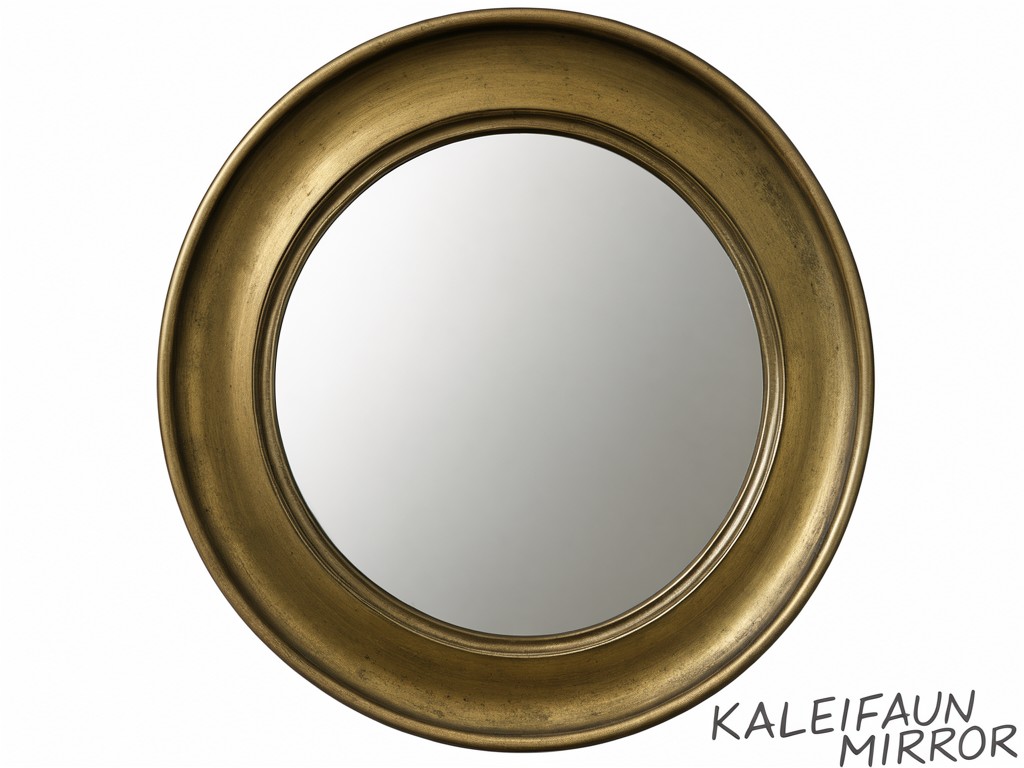
Construction Method and Its Effect on Consistency
Weight and stiffness trade off against each other. A heavier brass section can give the frame a more substantial feel, but it also raises shipping weight and the demand on wall hardware. A thinner profile reduces material use; it needs careful forming and joint control to limit distortion at corners and along long spans.
For this product family, the selected route is a fabricated brass-profile frame: cut and form the sections, join the corners, polish the surface, apply the antique patina, then seal it with a clear protective lacquer. The mirror glass is cut to the approved size and retained within the frame. Each operation affects the next; an uneven polish changes how the patina reads, while excess lacquer can soften the intended contrast.
Clear-Lacquered Patina
A clear topcoat helps protect the antique finish during routine handling and cleaning. It adds a process step and can change the sheen, so the approved sample should represent the finished coating, not just the patinated metal.
Unsealed Patina
Leaving the surface unsealed can preserve a less uniform, aged-metal character, but handling marks and later tone changes are harder to control. Choose it only when that variation is part of the approved finish expectation.
How Consistency Is Held Across Batches
Patina naturally varies unless the metal preparation, chemical treatment and finish reference stay controlled. Record the approved brass profile, frame dimensions, joint method, glass specification and coating sequence against the production order. That record gives a second source a usable target instead of relying on a photograph or a verbal colour description.
Sample control matters: keep a signed, finished reference sample and confirm how much patina variation is acceptable before production. A change in polishing or lacquer can shift the appearance even when the base metal specification stays the same.
For private-label reorders, retain revision-controlled artwork, label placement and carton identification alongside the product specification. Notify the buyer before a material, finish chemistry or hardware change. The change can then be reviewed against the approved sample before it reaches a new batch.
Inspection Items and Test Methods
Use the inspection plan to catch faults that create cost after shipment. Dimensional checks confirm that the mirror sits square in the frame and that hanging points match the installation drawing. Visual inspection should cover the glass face and edges, frame alignment, corner joints, patina coverage and clear-coat defects.
Check frame attachment and hanging hardware against the approved construction. If a load check is required, set its method and acceptance basis with the buyer before production; do not apply an assumed load value to a different frame size or fixture design. For repeat orders, review inspection records by batch and investigate any drift in dimensions, finish tone or damage rate before authorizing the next run.
Packing, Marking and Freight Configuration
Mirror glass needs protection from edge impact and pressure from adjacent cartons. Use a protective layer over the face, cushioning at the frame and corners, and an outer carton sized to prevent movement in transit. For larger mirrors, agree the carton orientation and pallet pattern in advance; excess compression can damage the frame or transfer pressure to the glass.
Confirm whether the order needs retail labels, private-label cartons, country-of-origin marking or batch identification. Include the approved SKU and handling marks, then verify that labels remain visible after palletization. A pre-shipment packing review can expose carton fit or marking errors before they become relabelling work at the destination.
For a second-source review, send the target dimensions, finish reference, order quantity, destination and packing requirements with the initial inquiry. Discuss a wholesale or OEM mirror project to align sample approval, batch controls and freight configuration before a production commitment.