Wholesale full length wall mirror vintage Suppliers: What Buyers Should Check Before Ordering
Selection trade-off: thicker mirror glass and a fully supported frame add freight weight and cost, but can reduce flex and edge damage on large wall-mounted units. Specify the mounting substrate, cleaning routine and frame finish before choosing the lowest-cost build.
Most quality disputes start with a consistency gap: one mirror reflects cleanly while the next shows waviness, a frame corner sits proud, or the hanging points do not match the approved sample. Those differences lead to returns that are costly to inspect and replace. For retail buyers, private-label teams and club or academy purchasing managers, repeat-order controls matter as much as the vintage profile.
What Actually Determines Performance
A full-length wall mirror is judged by usable reflection, frame stability and secure wall attachment. Glass thickness alone does not prevent distortion: broad panels can flex if the backing or frame does not support the glass evenly. Common options are 3 mm, 4 mm and 5 mm mirror glass; the suitable choice depends on the panel dimensions, frame design and mounting method.
Vintage styling adds another variable. A distressed or antiqued frame finish should look intentional across the order, while the mirror surface itself should remain free of visible scratches, black edge spots and reflected-image waviness under agreed viewing conditions. The finish and backing also need to tolerate the buyer’s actual cleaning products; damp cloths and chemical overspray at the glass edge can shorten service life.
For studios, gyms or changing areas, frequent contact from hands, clothing and cleaning cloths makes frame corners and lower edges likely wear points. Poolside locations require extra caution: chlorine-bearing moisture can attack exposed metal hardware and vulnerable frame finishes. Standard indoor mirror construction should not be treated as suitable for persistently damp or chemically aggressive rooms without a specific material review.
Construction Method and Its Effect on Consistency
Production usually begins with mirror sheet cutting, followed by edge finishing and inspection before the panel enters the frame. The frame may be made from wood, engineered board or metal, depending on the vintage appearance, price point and expected exposure. Frame components are cut and joined, then finished before the mirror is fitted with suitable retainers or backing supports.
A sample approval should define the visible distress pattern, colour, frame profile, glass dimensions and hardware position. If the buyer changes frame stock, finish supplier or glass thickness after approval, the factory should review the sample again; each change can affect fit, weight or reflection. Stable reorders depend on controlled material references and written tolerances, not only a photograph of the first unit.
Option Comparison by Usage Level
For occasional home or boutique retail use, the frame finish and presentation may carry more weight than extra structural mass. Shared studios and high-turnover changing areas need a more serviceable frame, protected edges and mounting hardware matched to the wall. The comparison below is a starting point; final selection depends on dimensions, mounting orientation and room conditions.
| Usage level | Typical construction choice | Buyer trade-off to review |
|---|---|---|
| Occasional residential or boutique display | Decorative wood or engineered-board frame; glass thickness selected for panel size. | More finish detail can raise unit cost. Confirm colour and distress variation limits across the batch. |
| Regular studio, salon or changing-room use | Supported frame construction, protected glass edges and mounting points matched to the specified wall. | Added support and hardware increase weight and freight volume; confirm installation requirements before ordering. |
| Frequent cleaning or humid indoor service | Finish and hardware selected for the stated cleaning agents and moisture exposure; exposed edges kept away from repeated wetting. | Specialized finishes may cost more and need sample approval. Confirm suitability for the actual room rather than assuming all vintage finishes are moisture-resistant. |
A safety backing film can help retain fragments if glass breaks, but it does not make ordinary mirror glass equivalent to safety glazing. Buyers with location-specific safety requirements should state them at quotation stage and confirm the proposed glass construction before production.
Working as a Production Partner, Not a Catalogue Supplier
Private-label orders often need a frame profile, colour treatment, logo placement or carton configuration that differs from a stock listing. A production partner should confirm which details can be changed without new tooling and which require a new frame profile, finish sample or packaging insert. That distinction affects both minimum order quantity and the cost of later revisions.
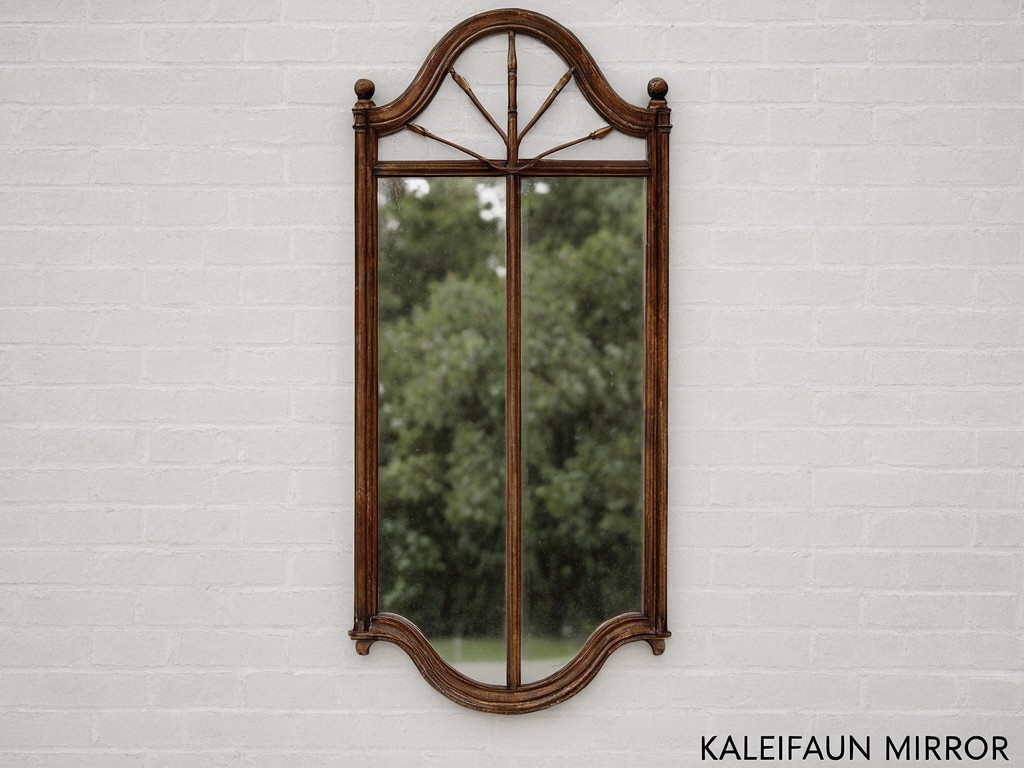
For a repeat order, retain the approved sample or a signed specification sheet with dimensions, glass thickness, frame material, finish reference, hardware location and packing method. Batch identification on cartons or production records can help trace a complaint to the relevant materials and production run. Agree in advance how the supplier will handle transit breakage, finish defects and dimensional claims, including the evidence required for a warranty review.
What Gets Checked Before Shipment
Shipment checks should cover the details that most often trigger replacement requests: overall dimensions, squareness, frame joint fit, finish consistency, glass edge condition and hardware position. Reflection can be reviewed against a straight reference or grid to identify visible waviness. Any acceptance method should use agreed viewing distance and lighting, since small surface marks appear differently under shop lighting and daylight.
The factory should also verify that the specified retainers hold the glass without concentrated pressure and that hanging hardware matches the approved layout. Carton checks matter for full-length units: corner protection, edge separation and immobilization reduce glass-to-frame movement in transit. Ask for inspection records or dated photographs when shipment approval is part of the purchase process.
Care, Storage and Service Life
Wear shows up at the same point every season: lower frame edges take repeated cloth contact, while moisture that reaches an unsealed glass edge can contribute to dark spotting. Clean the mirror with a soft cloth and a cleaner approved for its finish. Apply liquid to the cloth rather than spraying directly at the perimeter, and wipe away sweat or cleaning residue before it sits against the frame.
Avoid abrasive pads, strong solvents and prolonged wet contact unless the supplier has confirmed compatibility with the finish and backing. Store cartons upright only where the packaging is designed for that orientation; otherwise follow the marked position and keep units dry, flat and protected from edge impact. Installation must use fixings suited to the wall material and the mirror’s loaded weight. Direct sun, heat sources and persistent humidity can shorten the life of finishes or stress the glass assembly.
Ordering, Tooling and Lead-Time Questions
Lead time depends on frame material availability, finish approval, glass processing and export packing. The planning windows below are indicative only; confirm the production schedule and MOQ against the chosen size, finish and order quantity before issuing a purchase order.
| Order stage | Indicative planning window | MOQ and schedule factors |
|---|---|---|
| Sample or finish approval | Often 1–3 weeks after specification confirmation. | Custom frame profiles, finish matching and sample freight can extend approval time. |
| Repeat production | Often 4–8 weeks after sample sign-off and material confirmation. | MOQ is set by frame material, finish batch, glass size and packing method; confirm the supplier’s quoted quantity. |
| New profile or tooling work | Quoted after drawings and sample requirements are reviewed. | Tooling charges, approval rounds and a separate MOQ may apply; ask whether the tooling remains available for reorders. |
Can the same vintage finish be matched on a repeat order?
A repeat match is more predictable when the supplier retains the approved finish reference and records the frame material and process. Hand-distressed effects naturally show some variation, so define an acceptable range with a physical sample rather than relying on a screen image.
What information is needed to quote mounting hardware?
Provide the mirror dimensions, loaded weight target if known, hanging orientation and intended wall type. The supplier can then quote the hardware layout, but the installer must still select fixings suitable for the actual wall and local requirements.
How should export packing be approved for a full-length mirror?
Review edge and corner protection, internal movement control, carton orientation and any pallet configuration against the shipping route. A pre-shipment packing sample or photographs can help confirm that the approved package matches the production order.
For a specification review, send your target dimensions, frame and finish reference, expected cleaning conditions, mounting details and forecast quantity. Discuss your mirror specification and reorder requirements before approving the production sample.