wholesale large antique brass wall mirror for sale: Specification, Ordering and Quality Notes
Design Constraints Behind the Specification
| Inspection point | Factory check | Why it affects the order |
|---|---|---|
| Overall dimensions and frame squareness | Measure the finished unit and compare corner-to-corner diagonals against the approved drawing. | Out-of-square frames can sit unevenly on a wall and create visible gaps at adjoining trim. |
| Mirror surface and edge condition | Review the reflective face under consistent lighting; inspect cut edges before frame assembly. | Scratches, edge chips, or visible distortion become more apparent across a large viewing area. |
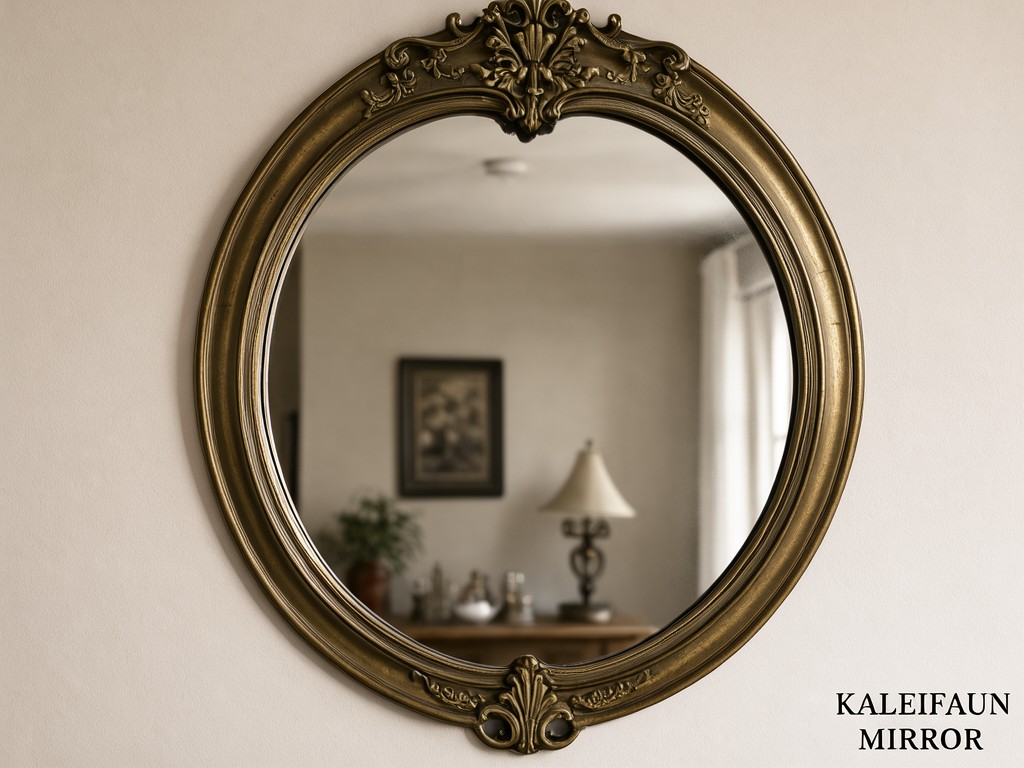
| Antique brass appearance | Compare the frame with the signed finish sample for tone, brushing, and patina distribution. | Finish drift across replenishment lots can make matching pieces look unrelated in the same interior. |
Large mirrors put more pressure on glass flatness, frame rigidity, and hanging-point placement than compact decorative formats. A second-source specification should therefore lock down the visible finish sample and the drawing dimensions before price comparison; otherwise, a lower unit quote may conceal a different frame section, glass build, or acceptable finish variation.
For a club or academy, the practical concern is repeated appearance across reception areas, corridors, and changing spaces. Any mirror mounted where moisture or frequent cleaning is expected needs a finish system and rear protection suited to that exposure, not simply a brass-coloured surface.
How It Is Built and What That Changes
Cost and durability pull in opposite directions once the frame moves beyond a narrow decorative profile. A common OEM route uses cut and edge-finished mirror glass inside a fabricated steel frame, followed by an antique brass electroplated finish, a controlled patina effect, and a clear protective topcoat. That construction keeps material cost below a solid-brass frame, but the finish depends on even preparation and coating coverage at corners and joints.
Glass is cut and edge-worked before assembly; the frame is formed, joined, finished, and checked for fit before the mirror is secured. Large-format units need adequate frame support so handling and wall mounting do not place concentrated stress on the glass. Rear safety film can help retain fragments if glass breaks, but it does not make an oversized mirror impact-proof or remove the need for suitable wall fixings.
Fabricated Steel Frame
A practical choice for repeat wholesale orders where frame geometry and finish matching matter more than solid-metal feel. Specify the base metal, surface preparation, patina reference, and topcoat together; changing any one can alter both appearance and coating wear.
Solid Brass Frame
This option raises material cost and unit weight, and it may develop a different appearance if the protective finish wears. It suits ranges where the frame material itself is part of the specification; confirm the intended patina and clear-coat level with a production sample.
Specification Range and Customisation Limits
For large wall formats, quote the finished outside dimensions, mirror-glass thickness, frame depth, and hanging orientation as one package. A practical quote basis often starts around 600 × 900 mm; larger sizes require a review of glass thickness, frame section, total weight, and the mounting arrangement before the size is confirmed.
Specification rule: set the approved frame profile, brass tone, patina reference, glass build, and hanger position on the same controlled drawing. A change to frame depth or glass thickness can change both finished weight and the fixing requirements.
Custom options commonly cover rectangular proportions, frame width, corner treatment, vertical or horizontal hanging, rear film, and a private-label mark. Artwork for a logo or label should be supplied as a final vector file with placement and colour confirmed; branding applied to the frame finish may require a separate sample approval.
Mounting hardware must match the final mirror weight and the intended wall substrate. If the product will be installed on varied wall types, define whether the order includes mirror-side hangers only or a specific fixing set, since no single anchor suits every site.
How Consistency Is Held Across Batches
Finish variation is a common source of disagreement between a first production run and a reorder. Antique brass is intentionally non-uniform, so a written colour name alone is not an adequate control. Keep a signed physical sample as the visual reference and record the finish route, brushing direction, patina character, and clear-coat gloss alongside the product drawing.
For a private-label second source, align the approved bill of materials and inspection points before a pilot order. That lets the buyer compare frame profile, mirror clarity, rear construction, and finish against the incumbent item rather than relying on catalogue photographs. If any supplier proposes an equivalent coating or glass source, request a sample for side-by-side review before authorising a substitution.
Batch records should tie the approved drawing and finish sample to production lots. This gives procurement a basis for investigating a mismatch and helps prevent a cost-down change from quietly altering the appearance or frame build. Lower unit price is only a saving if it does not add replacement, return, or warranty-claim costs.
What Gets Checked Before Shipment
Before release, inspection should focus on the faults that generate claims: chipped edges, scratches visible on the reflective face, a frame that twists or sits out of square, finish marks, and loose or misplaced hanging hardware. Checks should use the approved sample and drawing, with consistent viewing conditions for mirror and finish review.
- Measure finished height, width, frame depth, and hanger position against the order drawing.
- Inspect the mirror face and visible edges under even light for scratches, chips, silvering defects, and unacceptable distortion.
- Compare antique brass tone and patina distribution with the approved sample; look closely at corners, joints, and frame returns.
- Check frame joints and hanging fittings for movement, poor seating, or visible deformation; verify the finished unit weight when it is part of the agreed specification.
A first-article review is useful when the frame profile, finish route, or glass source changes. For repeat runs, retain inspection records by lot and escalate any difference from the sample before dispatch rather than accepting a visual deviation as normal patina.
Keeping Repeat Orders Supplied
A stable replenishment plan starts with a frozen specification and a forecast for the selected dimensions and finish. Standard frame profiles and established finish routes are generally easier to repeat than one-off tooling or a newly developed patina. Buyers qualifying a second source can compare sample approval time, production capacity, and change-control discipline alongside quoted unit cost.
Confirm the minimum order quantity against the glass size, frame setup, and private-label requirements. A finish or logo change may call for a new approval sample; keeping those details unchanged between orders reduces avoidable review time and makes batch comparisons clearer.
Request a production sample to check the mirror, frame profile, antique brass finish, and hanging arrangement against your current specification before placing a repeat-order quantity.